Founder · Engineer · PhD
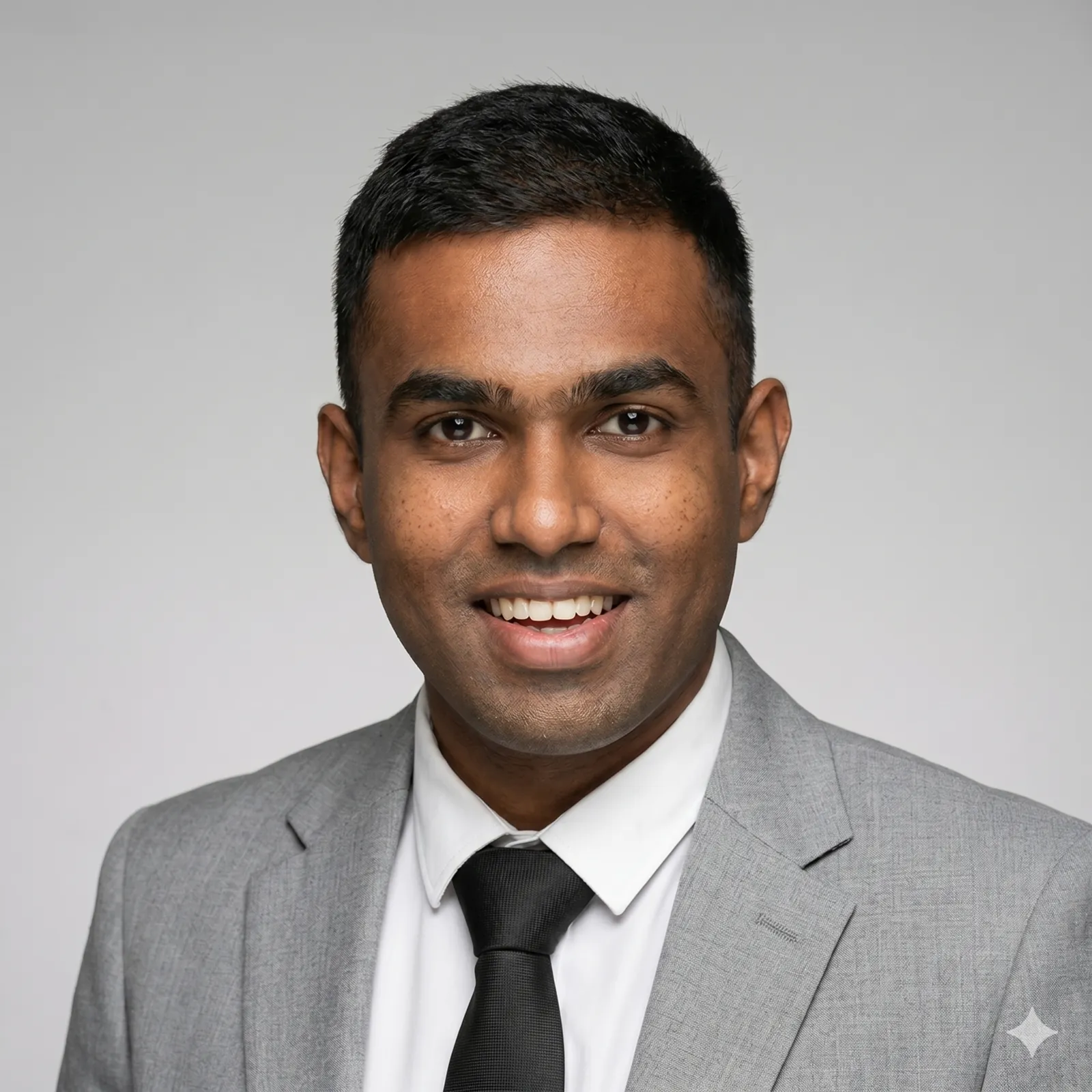
Leo Pauly
Forever fuelled by the excitement of breathing life into bold ambitions.
Founder & CEO of Plasma Orbital, building backpack-sized AI-MicroSatellite fleets for next-generation maritime monitoring. PhD in AI & Robotics. Holder of the UK Global Talent visa, endorsed by the Royal Academy of Engineering.
The journey
From a school science fair to sovereign satellites.
01 — Origins
It started with a prototype.
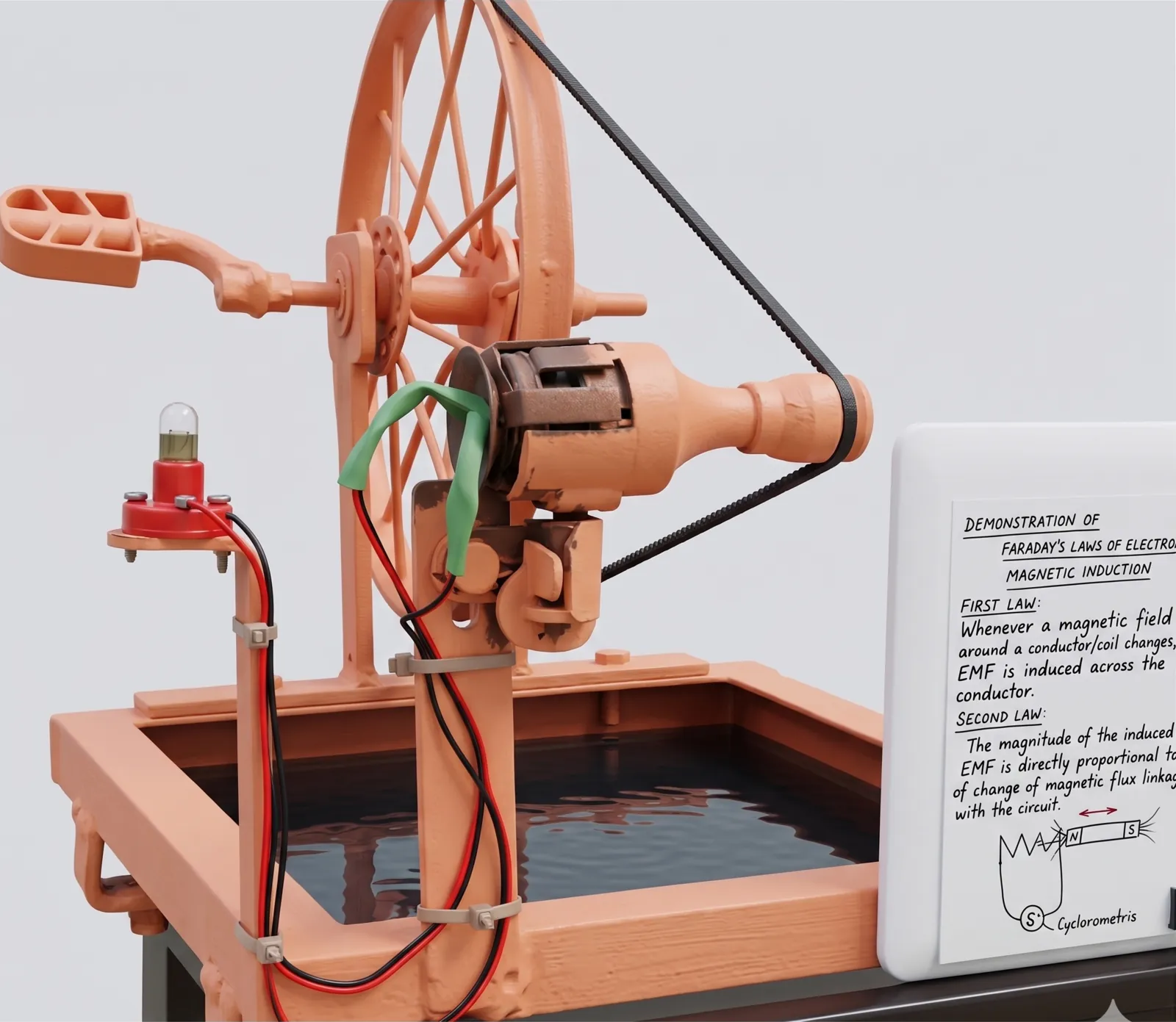
My journey began in childhood with my dad, an engineer himself. In 4th grade he helped me build my first working prototype — a demonstration of Faraday's Law of Electromagnetic Induction for the school science fair.
That passion grew with me through years of science-fair projects, my favourites being mock-up models of India's 2007 Space Capsule Recovery mission and its first lunar mission, Chandrayaan-1.
02 — Engineering & IEEE
Reviving a dormant chapter.
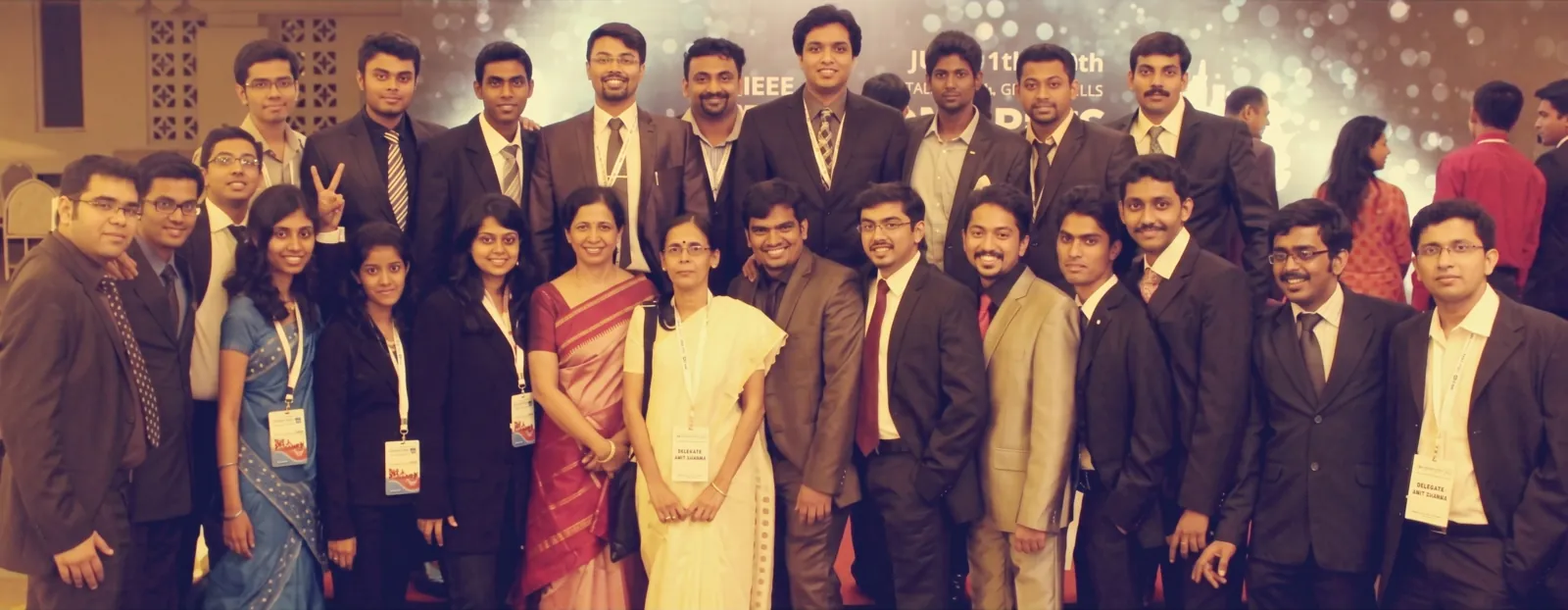
I read Electronics Engineering at Cochin University of Science & Technology, one of my state's top technical universities. There I revived the IEEE student branch — dormant for over a decade — and served as its chairman, and became founding chairman of the IEEE Robotics & Automation Society student chapter, leading 10+ events as coordinator and speaker. Today both are among the leading student bodies in IEEE Region 10 (Asia-Pacific).
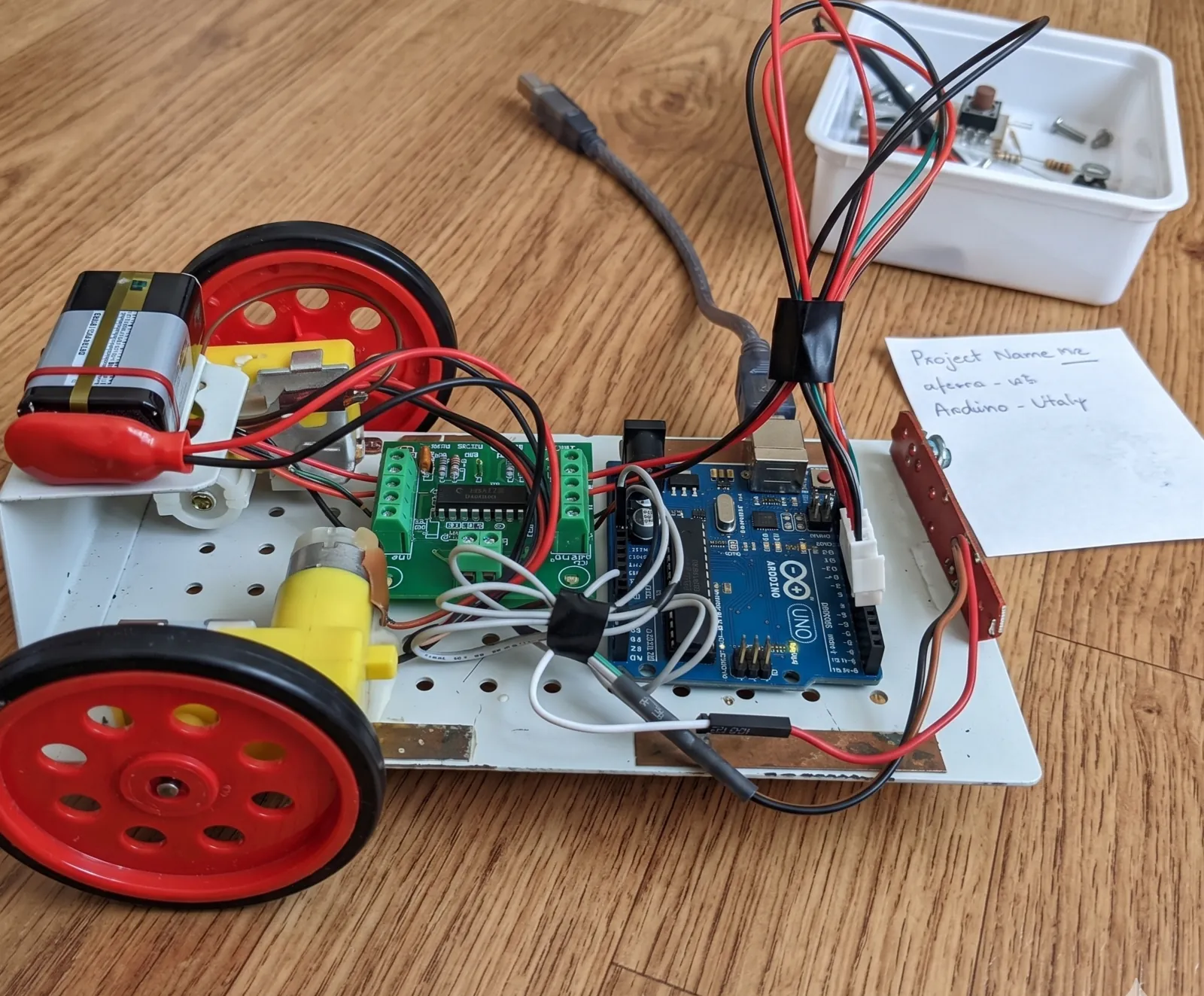
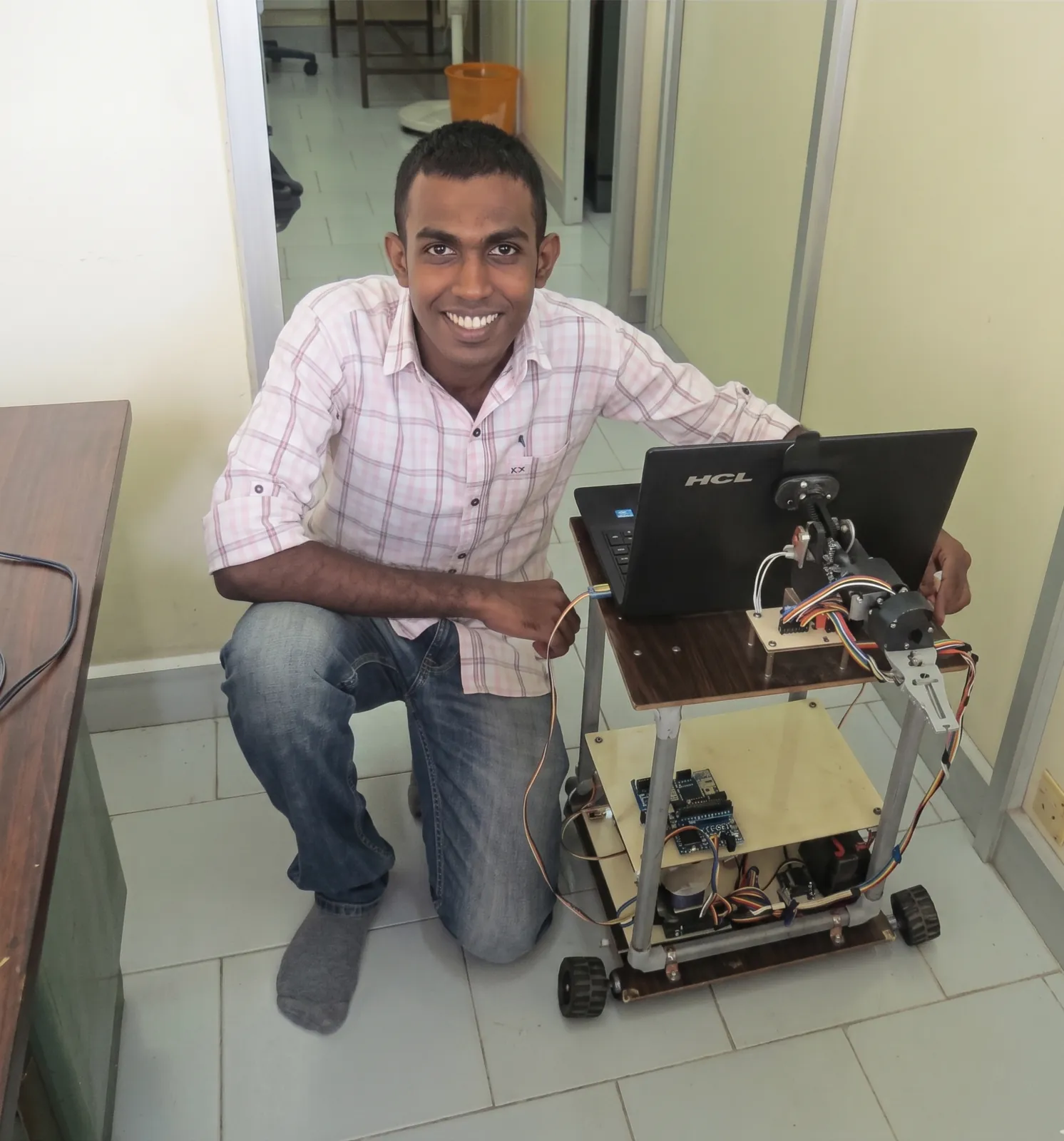
Along the way I developed a deep passion for embedded, edge systems — building DIY prototypes like LabBot 1.0 and CAMbot 1.0. I briefly contributed to the MIT-RedX project 'SenseCam' in Mumbai, exploring emotion detection with webcams, and was later offered an internship at the Tata DISQ incubator on another MIT collaboration — which I turned down in pursuit of bolder ambitions.
03 — First ventures
My first attempt at a company.
Around that time I attempted my first startup, built on an algorithm I developed for Intelligent Drowsiness Detection using only a camera and classical AI — a standalone dash-cam that monitors drivers and alerts them if they fall asleep. It was the first of several times I would learn to build a product from nothing.
04 — PhD, Leeds
From embedded systems to AI & robotics.
My passion for embedded systems evolved into advanced AI and robotics. As an undergraduate I built robots from scratch — from line-tracing bots to mobile platforms and robotic manipulators. I took that work to the UK, admitted to a fully-funded PhD in AI & Robotics at the University of Leeds, bypassing the master's requirement.
Toward the end of my PhD I briefly launched a second startup — Intelligent Robotic Manipulators for warehouse and logistics, based on insights from my thesis. The venture was cut short by circumstances beyond my control.
05 — Space
An AI system that flew to orbit.
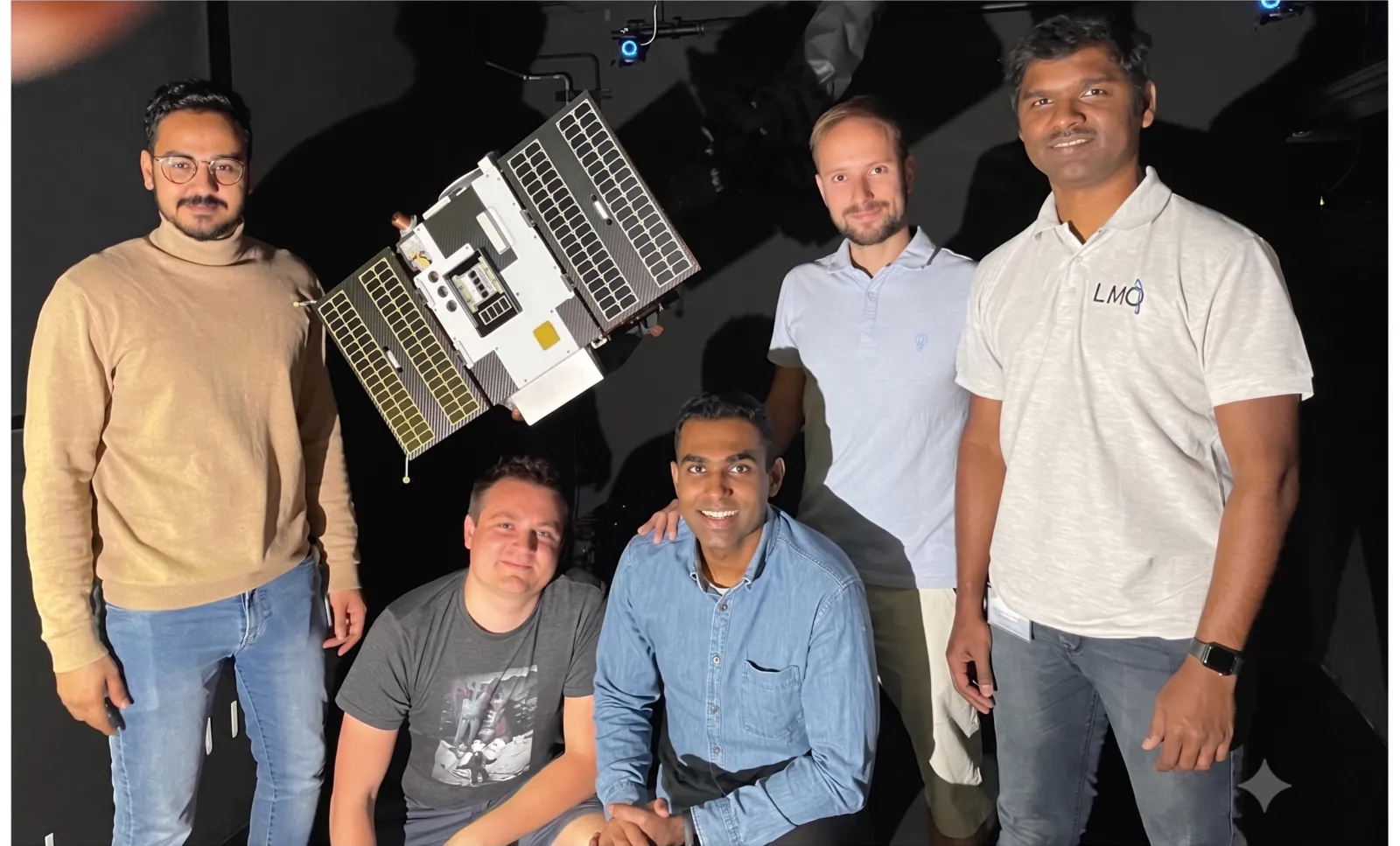
For my next adventure I turned to the space domain — humanity's final frontier, and a dream I had carried since high school. It took me to Luxembourg, working on Autonomous Space Systems for European Space Agency projects at the University of Luxembourg. One of my proudest moments: building an AI system that flew to space on the university's AI4SPACE payload, aboard a SpaceX rocket.
Back in the UK, I contributed to another ESA project in London, and soon after received the prestigious Global Talent endorsement from the Royal Academy of Engineering — paving the way for my UK Global Talent visa. Once again, I was free to build boldly.
06 — Plasma Orbital
My most ambitious endeavour yet.
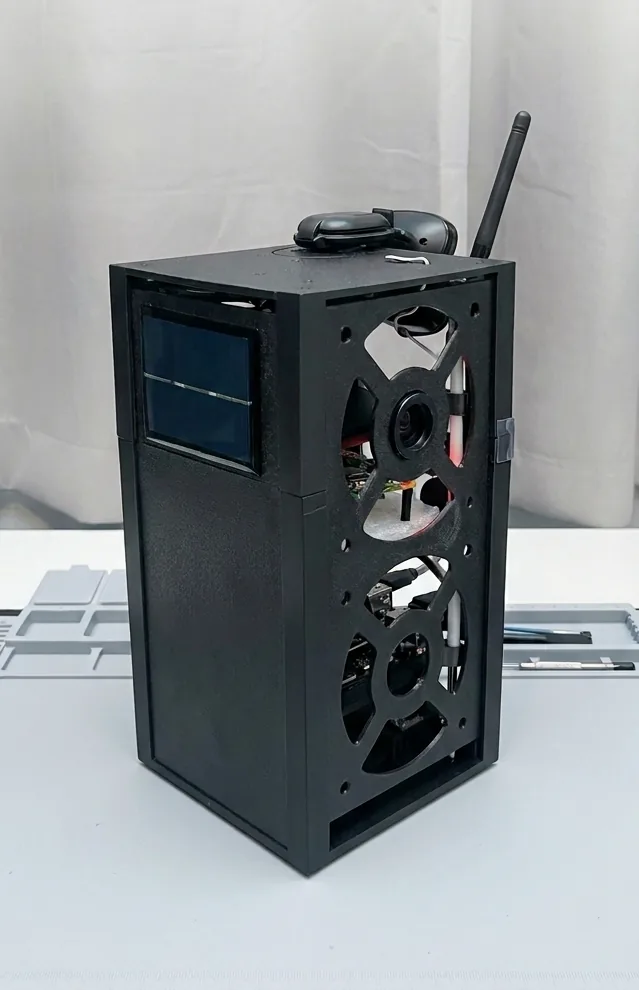
I'm now on my startup journey for the third time, and this is the boldest: building backpack-sized AI-MicroSatellite fleets for next-generation maritime monitoring. With limited resources, working from my shoebox room in London, I prototyped the first version — EdisonSat.
Plasma Orbital was selected for the UK Space Agency Startup Accelerator and the Kickstart Global W'26 cohort (acceptance rate under 2%). Along the way I also built London's hardware builders community, 'Hardware is not Hard', from scratch — growing it to 200+ builders in under six months.
Selected highlights
Milestones along the way.
PhD, AI & Robotics
University of Leeds — fully funded, master's bypassed.
UK Global Talent
Endorsed by the Royal Academy of Engineering.
AI4SPACE
An AI system flown to orbit on a SpaceX launch (University of Luxembourg / ESA).
UK Space Agency
Selected for the UKSA Startup Accelerator.
Kickstart Global W'26
Selected to the cohort — acceptance rate under 2%.
Hardware is not Hard
Founded London's hardware builders community — 200+ members in under six months.
Now — building toward orbit
Aiming for the stars. Quite literally.
Like all great startup stories that began in a garage, I'm aiming for the stars — in my case, quite literally. One day, my satellites will fly in orbit. Until then, I keep building: prototypes, communities, and a company with the ambition to put sovereign intelligence above every nation's waters.
Per aspera, ad astra